CVE-2024-24808
mediumpriority · track · 24EPSS 0.005 · 46 %ileEUUSEPSS · scored 2026-10-27
pyLoad is an open-source Download Manager written in pure Python. There is an open redirect vulnerability due to incorrect validation of input values when redirecting users after login. pyLoad is validating URLs via the `get_redirect_url` function when redirecting users at login. This vulnerability has been patched with commit fe94451.
cvss
Technical severity, 0–10. One row per scoring source.
base score 0–10 · higher = more severe · hover a vector to decode
ssvc
A stakeholder decision — act, attend, or track — from exploitation and impact.
weaknesses
The CWE weakness classes this flaw belongs to.
affected products (4)
Products and version ranges known to be affected.
advisories (2)
Vendor and ecosystem advisories describing this.
- GHSA-g3cm-qg2v-2hj5pyLoad open redirect vulnerability due to improper validation of the is_safe_url function2024-02-05ghsa · osvUS
### Summary Open redirect vulnerability due to incorrect validation of input values when redirecting users after login. ### Details pyload is validating URLs via the `get_redirect_url` function when redirecting users at login. 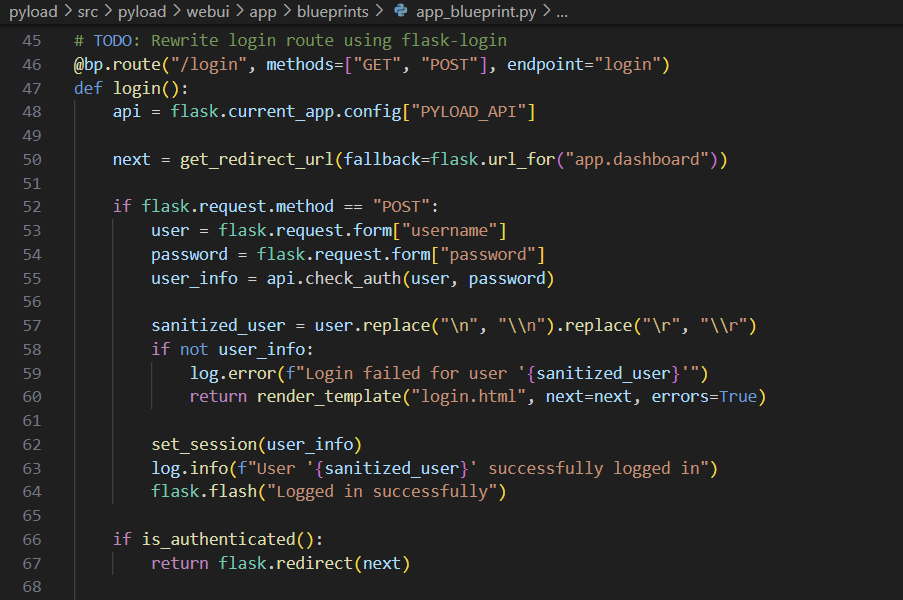 The URL entered in the `next` variable goes through the `is_safe_url` function, where a lack of validation can redirect the user to an arbitrary domain. 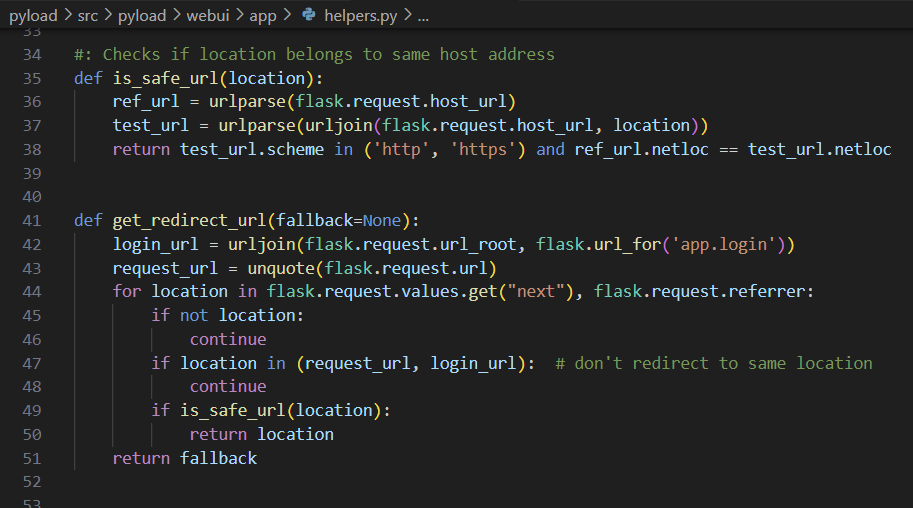 The documentation in the urllib library shows that improper URLs are recognized as relative paths when using the `urlparse` function. (https://docs.python.org/3/library/urllib.parse.html#urllib.parse.urlparse) For example, When an unusual URL like `https:///example.com` is entered, `urlparse` interprets it as a relative path, but in the actual request it is converted to `https://example.com` due to url normalization. ### PoC 1. In the next variable, insert the URL to which you want to redirect the user. 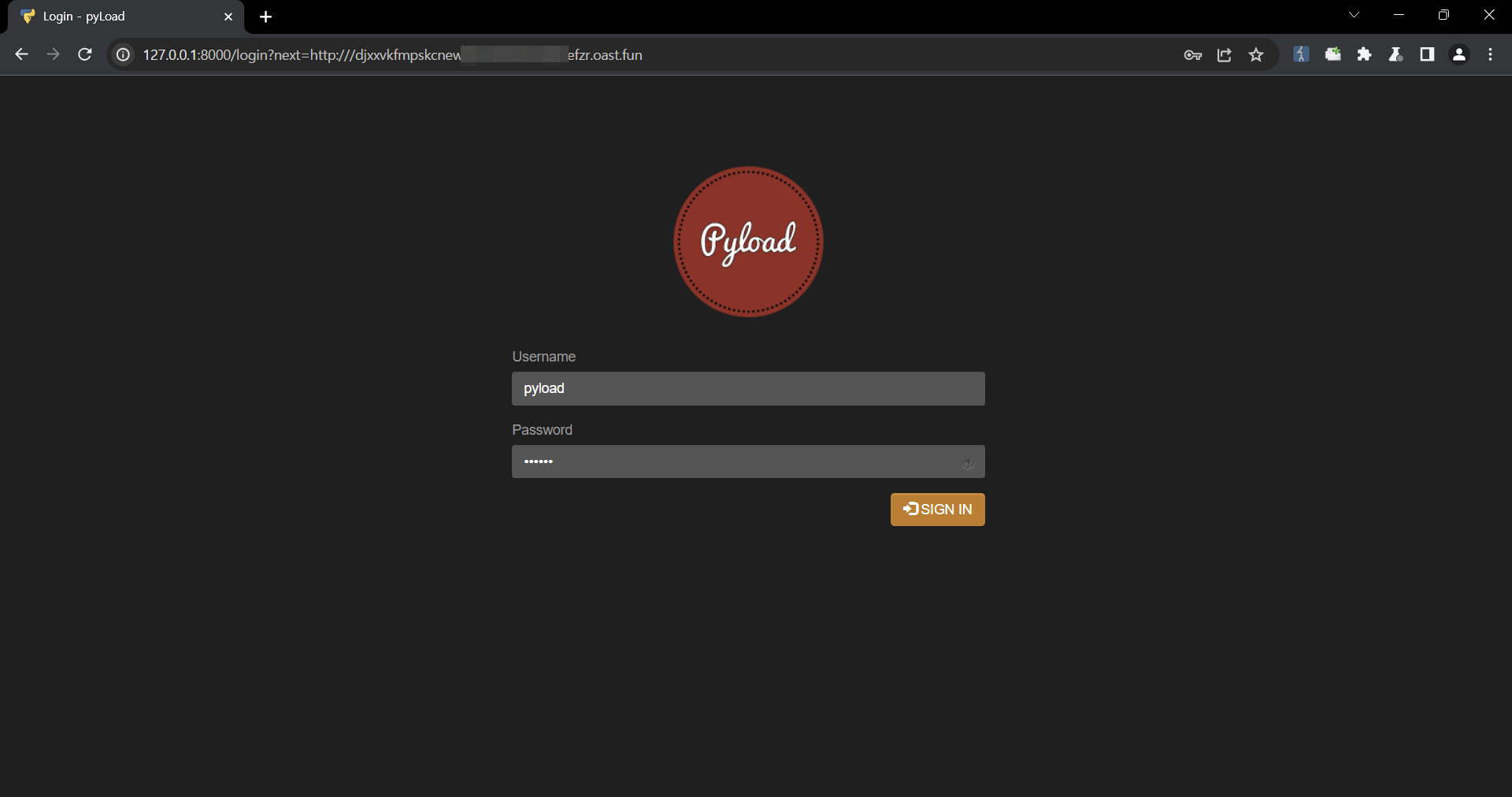 2. Check that it is possible to bypass url validation and redirect users to an arbitrary url. 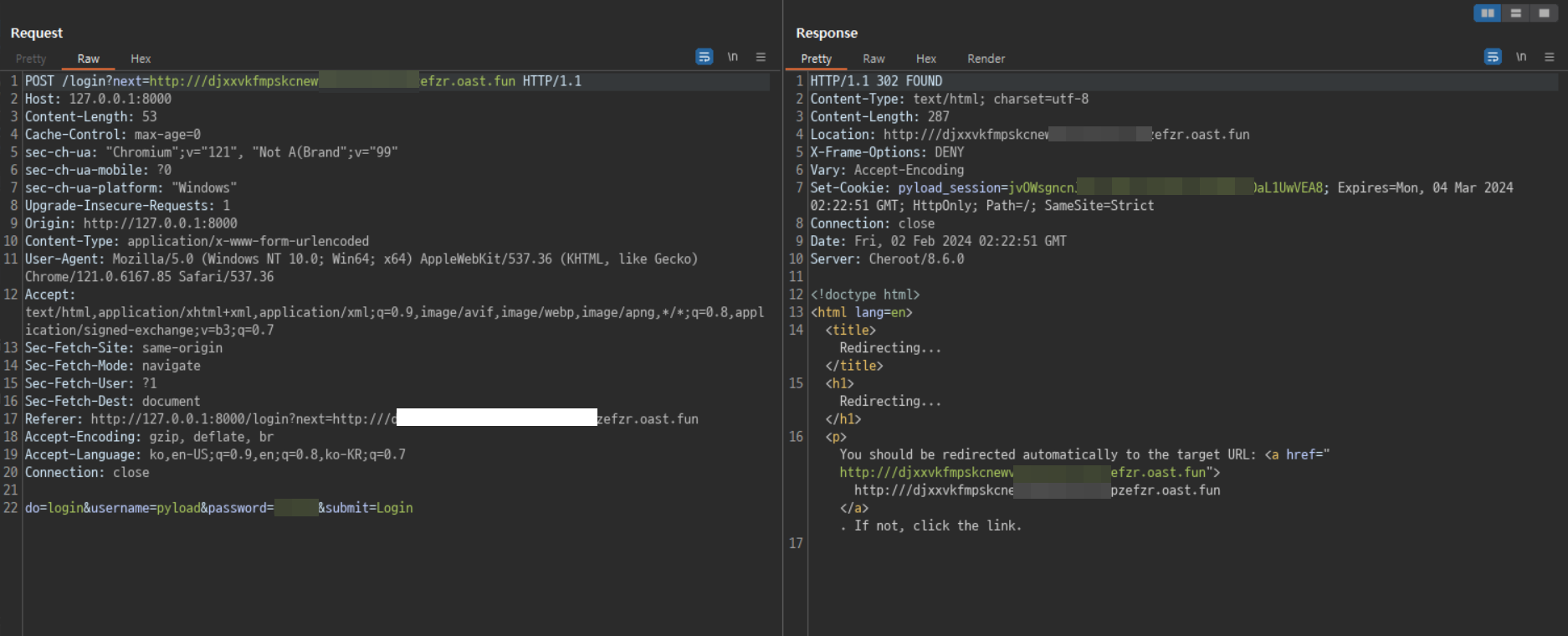 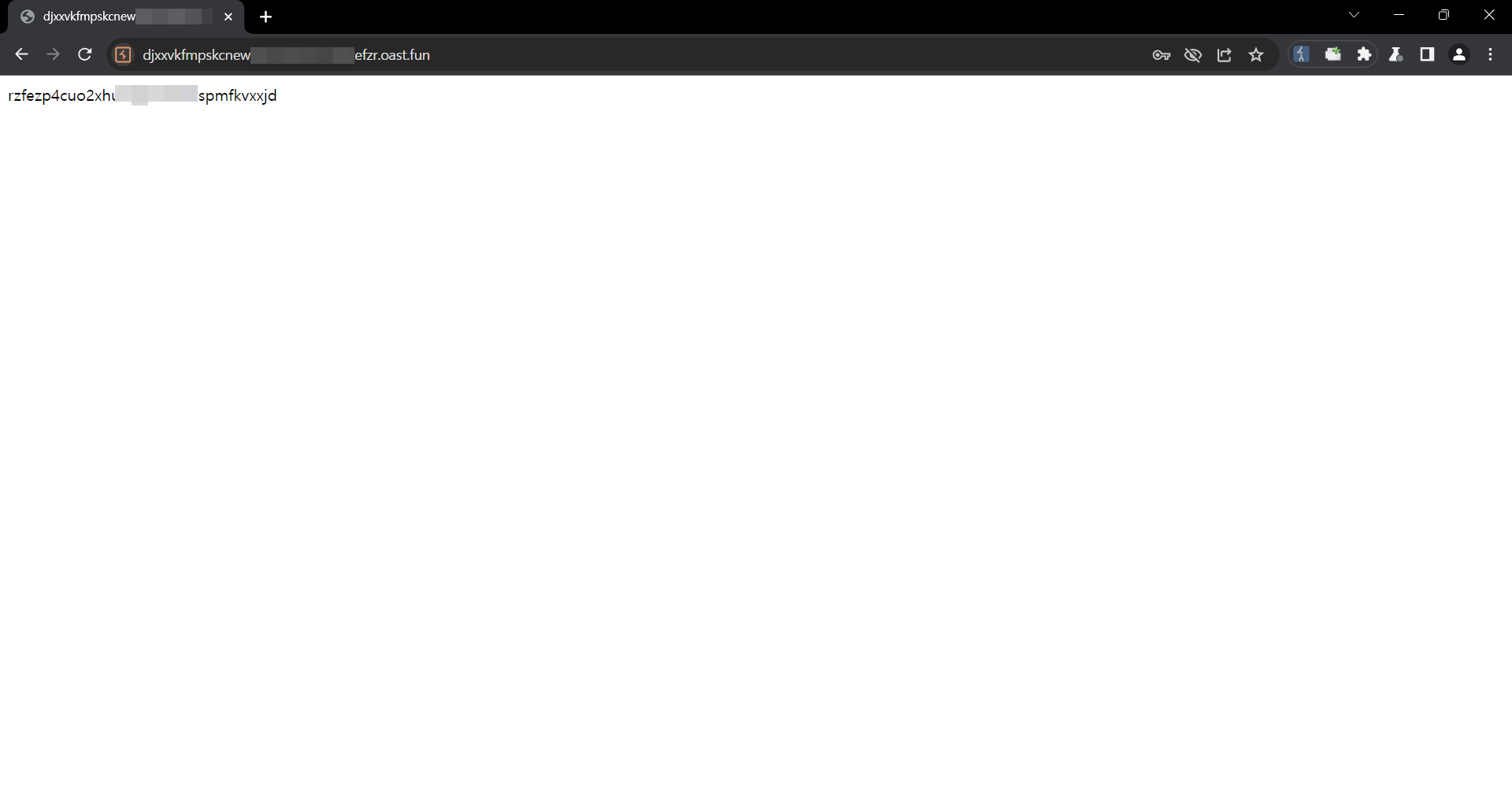 ### Impact An attacker can use this vulnerability to redirect users to malicious websites, which can be used for phishing and similar attacks.
- PYSEC-2026-1817pyLoad open redirect vulnerability due to improper validation of the is_safe_url function2026-07-07vendor · osvUS
### Summary Open redirect vulnerability due to incorrect validation of input values when redirecting users after login. ### Details pyload is validating URLs via the `get_redirect_url` function when redirecting users at login.  The URL entered in the `next` variable goes through the `is_safe_url` function, where a lack of validation can redirect the user to an arbitrary domain.  The documentation in the urllib library shows that improper URLs are recognized as relative paths when using the `urlparse` function. (https://docs.python.org/3/library/urllib.parse.html#urllib.parse.urlparse) For example, When an unusual URL like `https:///example.com` is entered, `urlparse` interprets it as a relative path, but in the actual request it is converted to `https://example.com` due to url normalization. ### PoC 1. In the next variable, insert the URL to which you want to redirect the user.  2. Check that it is possible to bypass url validation and redirect users to an arbitrary url.   ### Impact An attacker can use this vulnerability to redirect users to malicious websites, which can be used for phishing and similar attacks.
also known as (6)
Other names and identifiers for this entity.
sources
Which sources assert this record, and when.
references (7)
External citations — patches, advisories, analysis.
- https://cxsecurity.com/cveshow/CVE-2024-24808/cnnvd
- https://github.com/pyload/pyload/commit/fe94451dcc2be90b3889e2fd9d07b483c8a6dccdcnnvd
- https://github.com/pyload/pyload/security/advisories/GHSA-g3cm-qg2v-2hj5cnnvd
- https://github.com/pyload/pyload/commit/fe94451dcc2be90b3889e2fd9d07b483c8a6dccdenisa_euvd
- https://github.com/pyload/pyload/security/advisories/GHSA-g3cm-qg2v-2hj5enisa_euvd
- https://github.com/pyload/pyload/commit/fe94451dcc2be90b3889e2fd9d07b483c8a6dccdPatchnvd
- https://github.com/pyload/pyload/security/advisories/GHSA-g3cm-qg2v-2hj5ExploitVendor Advisorynvd
Attackers weaponise vulnerabilities like this against internet-exposed services. See what is exposed on your perimeter with a free passive scan.
Free scan