CVE-2024-24808
mediumPriorität · verfolgen · 24EPSS 0.005 · 46. PerzentilEUUSEPSS · bewertet 2026-10-27
pyLoad is an open-source Download Manager written in pure Python. There is an open redirect vulnerability due to incorrect validation of input values when redirecting users after login. pyLoad is validating URLs via the `get_redirect_url` function when redirecting users at login. This vulnerability has been patched with commit fe94451.
cvss
Technischer Schweregrad, 0–10. Eine Zeile je Quelle.
Basiswert 0–10 · höher = schwerwiegender · Vektor überfahren zum Auflösen
SSVC
Eine Handlungsentscheidung — aus Ausnutzung und Auswirkung.
schwächen
Die CWE-Schwächeklassen, zu denen dies gehört.
betroffene Produkte (4)
Betroffene Produkte und Versionsbereiche.
Advisories (2)
Hersteller- und Ökosystem-Meldungen dazu.
- GHSA-g3cm-qg2v-2hj5pyLoad open redirect vulnerability due to improper validation of the is_safe_url function2024-02-05ghsa · osvUS
### Summary Open redirect vulnerability due to incorrect validation of input values when redirecting users after login. ### Details pyload is validating URLs via the `get_redirect_url` function when redirecting users at login. 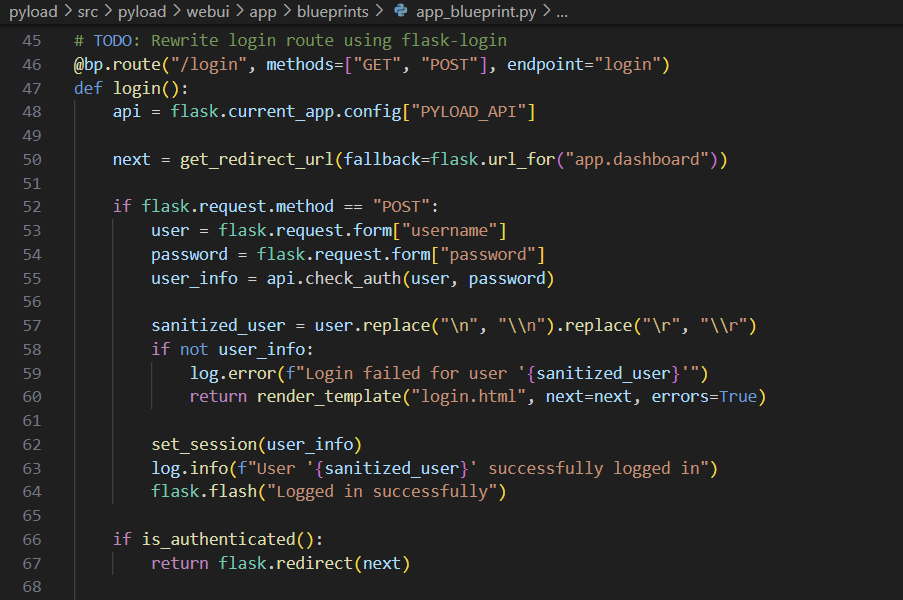 The URL entered in the `next` variable goes through the `is_safe_url` function, where a lack of validation can redirect the user to an arbitrary domain. 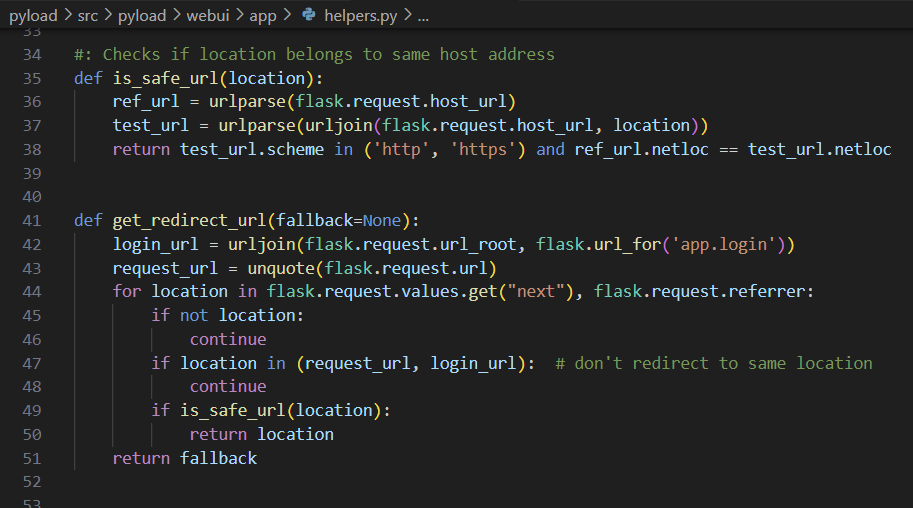 The documentation in the urllib library shows that improper URLs are recognized as relative paths when using the `urlparse` function. (https://docs.python.org/3/library/urllib.parse.html#urllib.parse.urlparse) For example, When an unusual URL like `https:///example.com` is entered, `urlparse` interprets it as a relative path, but in the actual request it is converted to `https://example.com` due to url normalization. ### PoC 1. In the next variable, insert the URL to which you want to redirect the user. 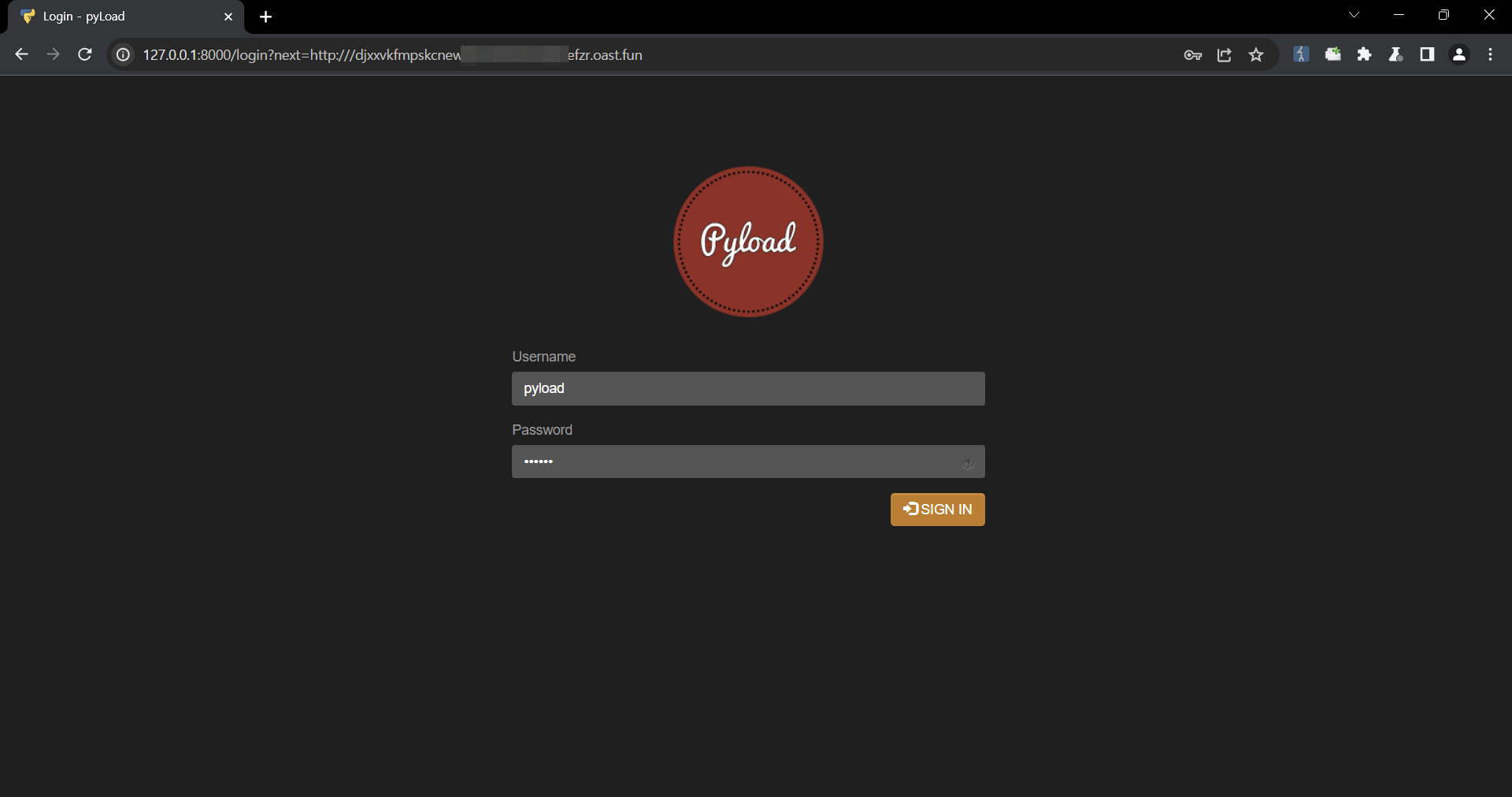 2. Check that it is possible to bypass url validation and redirect users to an arbitrary url. 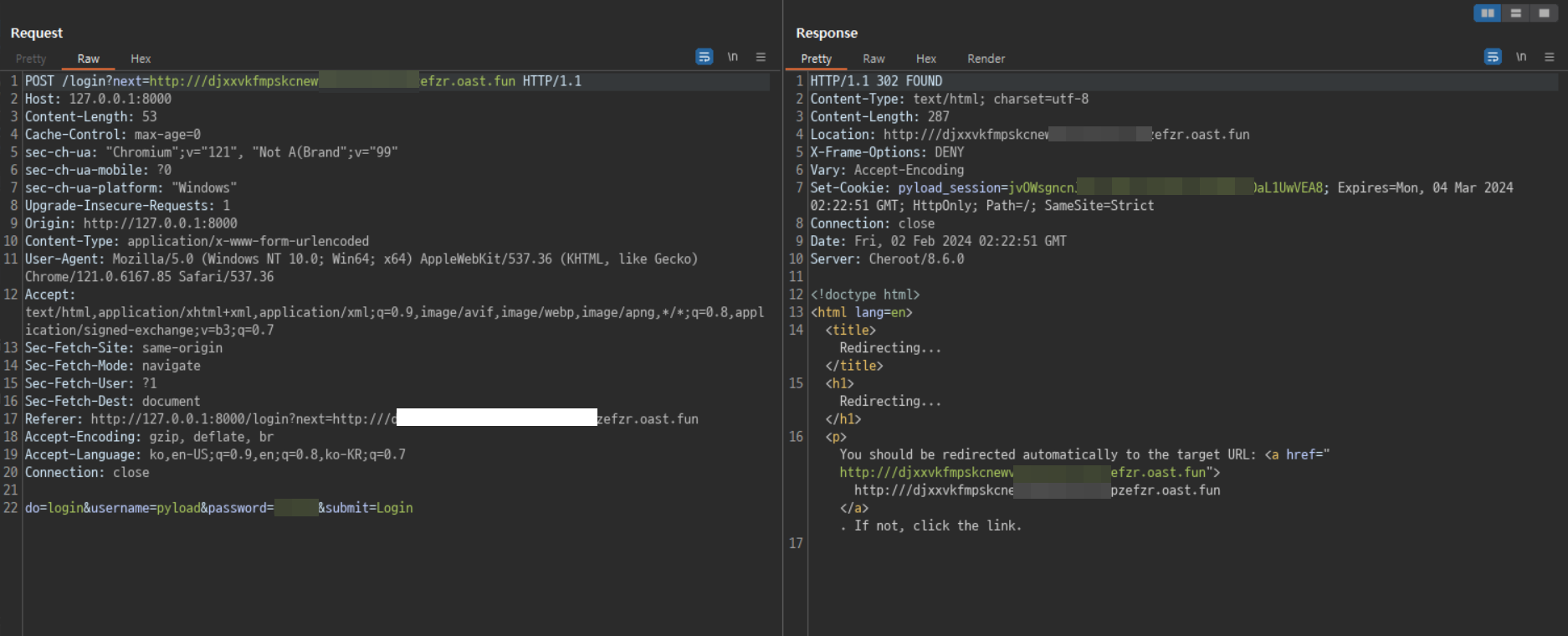 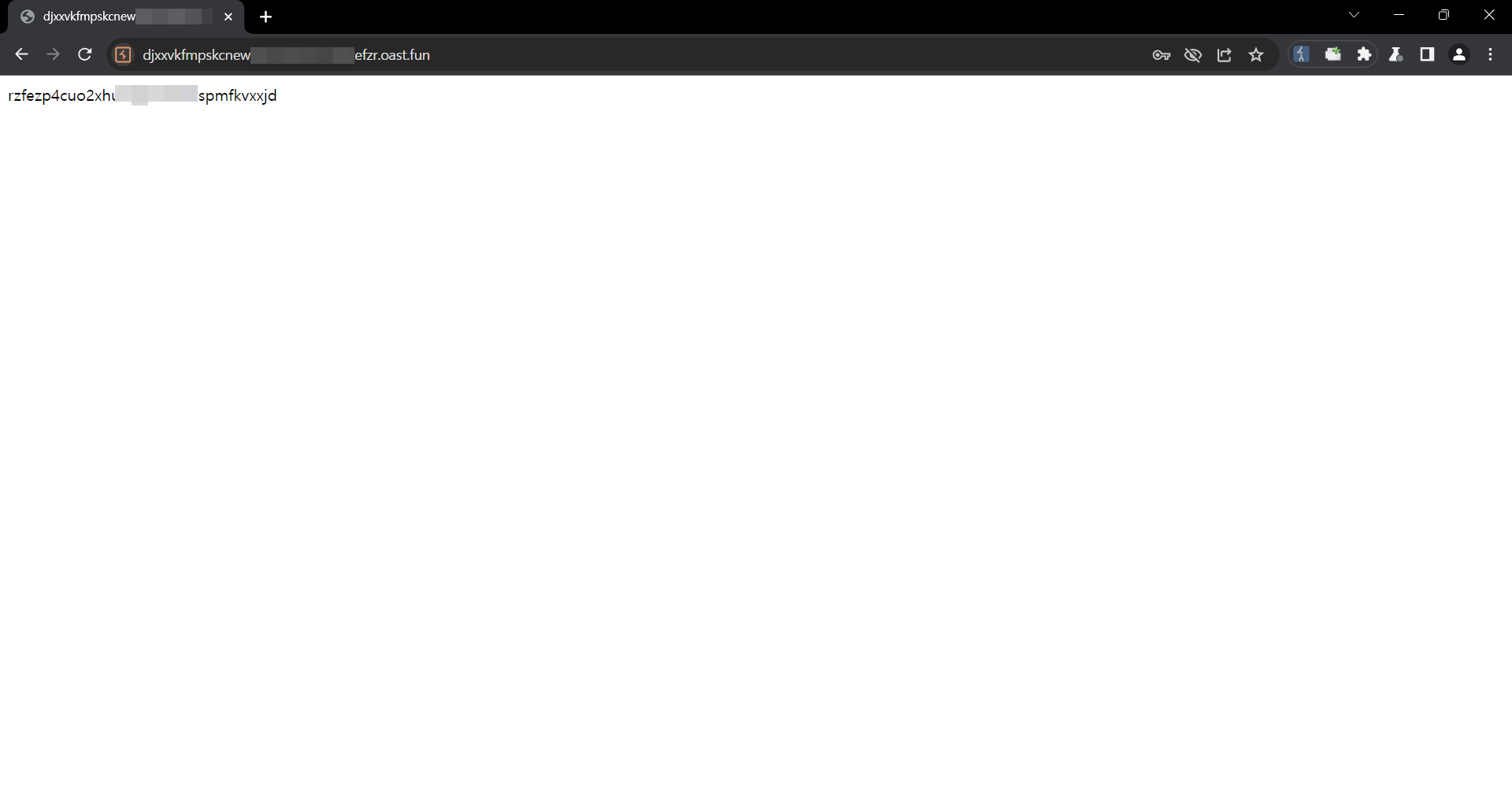 ### Impact An attacker can use this vulnerability to redirect users to malicious websites, which can be used for phishing and similar attacks.
- PYSEC-2026-1817pyLoad open redirect vulnerability due to improper validation of the is_safe_url function2026-07-07vendor · osvUS
### Summary Open redirect vulnerability due to incorrect validation of input values when redirecting users after login. ### Details pyload is validating URLs via the `get_redirect_url` function when redirecting users at login.  The URL entered in the `next` variable goes through the `is_safe_url` function, where a lack of validation can redirect the user to an arbitrary domain.  The documentation in the urllib library shows that improper URLs are recognized as relative paths when using the `urlparse` function. (https://docs.python.org/3/library/urllib.parse.html#urllib.parse.urlparse) For example, When an unusual URL like `https:///example.com` is entered, `urlparse` interprets it as a relative path, but in the actual request it is converted to `https://example.com` due to url normalization. ### PoC 1. In the next variable, insert the URL to which you want to redirect the user.  2. Check that it is possible to bypass url validation and redirect users to an arbitrary url.   ### Impact An attacker can use this vulnerability to redirect users to malicious websites, which can be used for phishing and similar attacks.
auch bekannt als (6)
Weitere Namen und Kennungen dieser Entität.
quellen
Welche Quellen diesen Datensatz belegen und wann.
Referenzen (7)
Externe Belege — Patches, Meldungen, Analysen.
- https://cxsecurity.com/cveshow/CVE-2024-24808/cnnvd
- https://github.com/pyload/pyload/commit/fe94451dcc2be90b3889e2fd9d07b483c8a6dccdcnnvd
- https://github.com/pyload/pyload/security/advisories/GHSA-g3cm-qg2v-2hj5cnnvd
- https://github.com/pyload/pyload/commit/fe94451dcc2be90b3889e2fd9d07b483c8a6dccdenisa_euvd
- https://github.com/pyload/pyload/security/advisories/GHSA-g3cm-qg2v-2hj5enisa_euvd
- https://github.com/pyload/pyload/commit/fe94451dcc2be90b3889e2fd9d07b483c8a6dccdPatchnvd
- https://github.com/pyload/pyload/security/advisories/GHSA-g3cm-qg2v-2hj5ExploitVendor Advisorynvd
Angreifer nutzen Schwachstellen wie diese gegen im Internet exponierte Dienste aus. Sehen Sie mit einem kostenlosen Passiv-Scan, was exponiert ist.
Kostenloser Scan